
 EN
EN
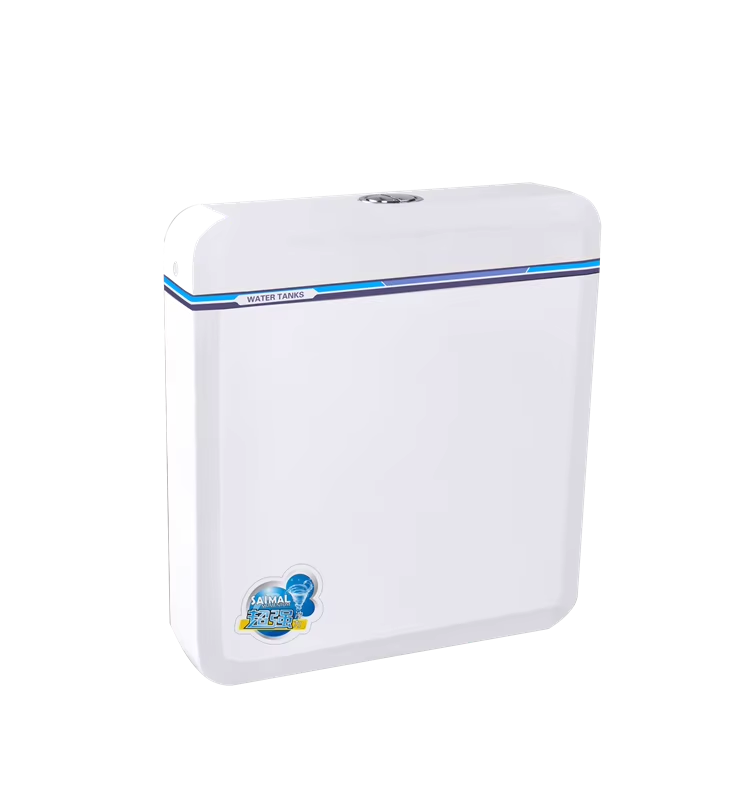
Why Limescale Builds Up in the Toilet Cistern
The role of hard water in calcium carbonate deposition
Hard water contains high concentrations of dissolved calcium and magnesium ions. When this water enters the toilet cistern, those ions react with naturally occurring bicarbonates to form insoluble calcium carbonate—a chalky, off-white mineral deposit. Unlike in kettles or boilers, no heating is required: evaporation of standing water between flushes concentrates minerals at the waterline and on exposed surfaces. Over time, this leads to visible crusty buildup on cistern walls, internal components, and the water surface. In areas with very hard water (e.g., >300 mg/L CaCO₃, per WHO and UK Water Regulations), deposits can appear within weeks—reducing flushing efficiency and potentially compromising valve operation.
How frequent flushing accelerates limescale accumulation on internal components
Each flush introduces a new influx of hard water—and with it, fresh calcium and magnesium ions. The refilling process also creates mild turbulence, which disperses fine mineral particles that then reattach to wet surfaces. Crucially, key components—including the float valve, fill valve diaphragm, and rubber seals—undergo repeated wet-dry cycles: submerged during refill, then air-exposed after the flush. These cycles accelerate localized evaporation and leave behind concentrated mineral residues. With hundreds of flushes weekly, even microscopic deposits accumulate into thick, adherent limescale. This compromises seal integrity, causes sticking mechanisms, slows refill rates, and may trigger silent leaks—making the cistern one of the most vulnerable household fixtures to hard-water damage.
Step-by-Step Toilet Cistern Cleaning Protocol
Begin by turning off the water supply valve behind the toilet to prevent refilling. Flush once to drain the cistern fully. Carefully remove and set aside the lid. Wear rubber gloves and protective eyewear throughout.
Apply your chosen descaling solution directly onto visible limescale. For eco-friendly cleaning, use undiluted white vinegar or a 10% citric acid solution; allow a minimum 30-minute dwell time to dissolve calcium carbonate. For heavy buildup, a commercial descaler containing hydrochloric acid or sodium bisulfate (e.g., CLR®) delivers faster results—always follow label instructions for dwell time and ventilation.
While the solution works, gently scrub interior walls and all internal components—including the float arm, fill valve body, and flush lever linkage—with a soft-bristled brush or non-abrasive sponge. Avoid metal tools or scouring pads that could scratch porcelain or degrade rubber seals. After scrubbing, flush the toilet several times to thoroughly rinse away all cleaner residue and loosened scale.
Reattach the cistern lid, reopen the water supply valve, and observe the refill cycle. Check for leaks around joints and seals. If the water level is too high or low, adjust the float according to the manufacturer’s specifications.
Repeat this deep cleaning every three to six months—more frequently in hard-water areas. Consistent maintenance prevents functional degradation, preserves component lifespan, and sustains optimal flush performance.
FAQs
What is limescale?
Limescale is a hard, chalky mineral deposit primarily composed of calcium carbonate. It forms when hard water evaporates, leaving behind concentrated minerals.
How can I prevent limescale buildup in my toilet cistern?
Regular cleaning every three to six months with descaling agents can help prevent limescale buildup. Installing a water softener may also reduce mineral deposits.
Is vinegar or citric acid effective on limescale?
Yes, undiluted white vinegar or a 10% citric acid solution can dissolve calcium carbonate deposits effectively, particularly for eco-friendly cleaning.
What happens if limescale damages internal cistern components?
Limescale can compromise seal integrity, slow refill rates, cause leaks, and even render flushing mechanisms ineffective. Replacing affected components may be necessary.