
 EN
EN
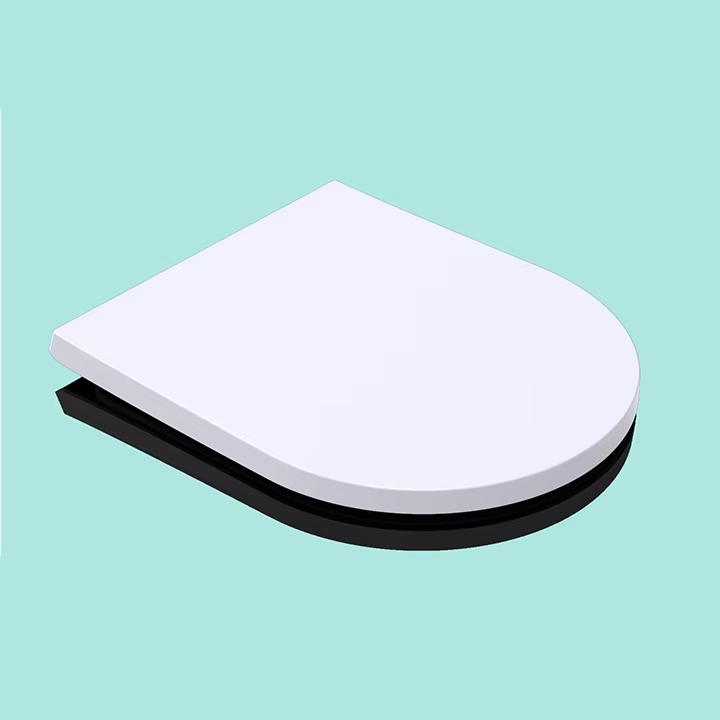
Why Plastic Toilet Seats Loosen: Material Behavior and Common Failure Points
Thermal expansion, UV degradation, and plastic creep under constant load
Plastic toilet seats loosen primarily due to the viscoelastic nature of polymers. Under sustained load — especially the repeated weight of daily use — plastic creep causes gradual deformation in the mounting arms and hinge structure, reducing clamping force over time. Frequent bathroom temperature fluctuations (e.g., from hot showers to cooler ambient air) induce thermal expansion and contraction cycles that subtly misalign mounting points. Even low-level UV exposure from nearby windows can oxidize and embrittle the surface layer of the plastic, diminishing its resilience and ability to recover shape. These interrelated physical stresses collectively degrade fit and stability long before visible wear appears.
How plastic seat hardware differs from wood — thread stripping, bolt flex, and hinge fatigue
Plastic seats rely on softer, lower-strength fasteners — typically nylon or polypropylene screws and wing nuts — unlike wood seats, which use corrosion-resistant metal bolts with lock washers. This design trade-off makes plastic hardware vulnerable to thread stripping when overtightened, while the bolt shaft itself may flex under lateral forces, creating a deceptive “tight” feel that relaxes quickly. The hinge, molded as thin, cantilevered plastic arms, endures thousands of opening/closing cycles; fatigue cracks often initiate at the hinge base where stress concentrates, compromising grip on the mounting studs. In contrast, wood seats provide inherent rigidity and distribute load across a solid substrate, minimizing localized deformation.
Right Tools and Safety Prep for Plastic Toilet Seat Repair
Torque-limiting screwdriver, soft-jaw pliers, and non-marring washers—why standard tools risk damage
Standard tools pose real risks to plastic toilet seats: brittle polymers crack easily under point loads or excessive torque. A torque-limiting screwdriver, calibrated to 3–5 in-lbs, prevents overtightening — critical because plastic threads strip well below the threshold that would damage metal or wood. Soft-jaw pliers evenly distribute clamping force without gouging or stressing the plastic surface, avoiding microfractures that accelerate hinge fatigue. Non-marring washers — made of nylon or elastomeric materials — cushion the interface between metal hardware and plastic mounting holes, absorbing cyclical stress and reducing crack propagation. Using conventional tools not only risks immediate damage but also undermines long-term integrity and may void manufacturer warranties.
Step-by-Step Tightening Method for Plastic Toilet Seats
Inspecting hinges, bolts, and mounting holes for stress cracks or stripped threads
Begin by lifting the seat and inspecting all components while wearing gloves and eye protection. Focus on three key failure zones:
- Stress cracks: Look closely around hinge pivots and bolt holes — fine fissures indicate advanced material fatigue.
- Stripped threads: Attempt to tighten each bolt; if it spins freely without resistance, the threaded insert or surrounding plastic is compromised.
- Hinge wear: Check for excessive play, asymmetry, or visible deformation in the hinge arms — signs the plastic has lost structural memory.
Applying calibrated torque (3–5 in-lbs) with tactile feedback cues—not 'snug', but 'secure'
Use a torque-limiting screwdriver to apply precise, repeatable force:
- Finger-tighten all bolts first to ensure proper alignment and avoid cross-threading.
- Tighten incrementally (¼ turns), pausing to assess resistance — stop at firm, consistent feedback.
- Never rely on subjective terms like “snug” or “tight.” At ~8 in-lbs, most plastic bolts begin compressing or distorting; “secure” means zero lateral movement and intact, uncompressed threads.
If inspection reveals cracks, stripped inserts, or hinge deformation, replace the affected hardware — or the entire seat. Tightening damaged components only accelerates failure and risks damaging the porcelain bowl.
Long-Term Stability Solutions for Plastic Toilet Seats
Rubber isolation washers, nylon-insert lock nuts, and when to replace the entire plastic seat
For durable performance, upgrade to rubber isolation washers and nylon-insert lock nuts. Rubber washers dampen impact, accommodate thermal movement, and isolate the plastic from direct metal-on-plastic stress. Nylon-insert lock nuts resist vibration-induced loosening far more effectively than standard nuts — especially important for seats subjected to frequent use or uneven flooring. Apply a light, non-silicone thread lubricant to prevent galling during installation.
Even with upgraded hardware, plastic seats have a finite service life. Replace the unit if you observe:
- Hairline cracks near hinges or mounting points
- Visible warping or twisting of the seat base
- Persistent rocking after proper tightening
- Stripped or enlarged mounting holes
A new seat costs less than repeated repairs and eliminates the risk of scratching or chipping the toilet bowl from an unstable fit. Always verify compatibility: match bowl shape (round vs. elongated) and bolt spacing (standard 5.5" or specialty configurations). Pairing quality hardware with timely replacement delivers reliable, safe performance for years.
FAQ
Why do plastic toilet seats loosen over time?
Plastic toilet seats loosen due to the viscoelastic nature of polymers, thermal expansion, UV exposure, and plastic creep under sustained load. These stresses degrade fit and stability gradually.
What tools are recommended for repairing plastic toilet seats?
Using torque-limiting screwdrivers, soft-jaw pliers, and non-marring washers is recommended to avoid overtightening and damage to brittle plastic materials.
What are common failure points in plastic toilet seats?
Common failure points include stress cracks near hinges and bolt holes, stripped threads, hinge fatigue, and deformation of the seat base.
When should I replace a plastic toilet seat instead of repairing it?
If there are persistent issues like hairline cracks, visible warping, rocking after tightening, or stripped mounting holes, replacing the toilet seat is a better option.
How can I improve the durability of plastic toilet seats?
You can improve durability by upgrading to rubber isolation washers, nylon-insert lock nuts, and applying thread lubricant during installation.