
 EN
EN
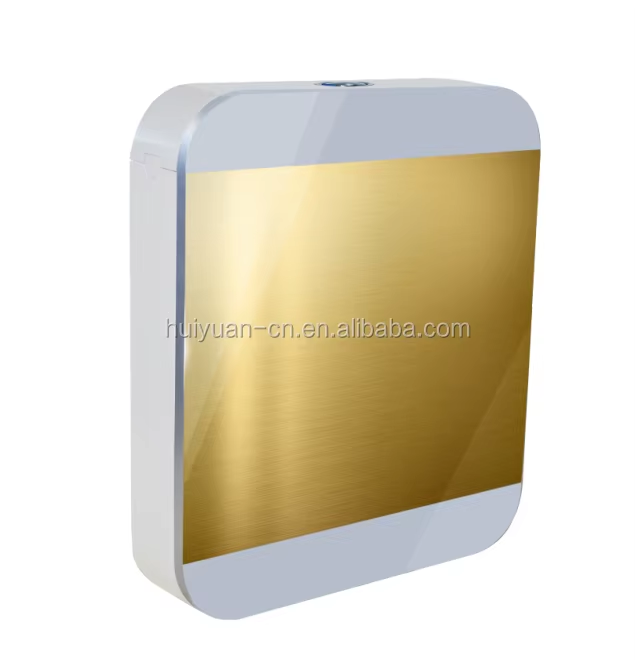
Why Concealed Toilet Cisterns Pose Unique Maintenance Challenges
The Accessibility Paradox: Hidden Design vs. Service Reality
Concealed toilet cisterns deliver a clean, minimalist aesthetic by integrating components into the wall—but this visual benefit comes at a functional cost. Unlike exposed cisterns—where internal parts are accessible in seconds—concealed systems require removing flush plates or accessing service points behind finished walls. Technicians routinely contend with confined spaces, poor visibility, and obstructed component layouts when diagnosing issues like valve failure or slow leaks. The result is a trade-off: elegance is achieved through concealment, but routine servicing demands greater time, expertise, and often partial deconstruction.
Structural Integration Trade-Offs: How Wall-Mounting Impacts Component Access
Wall-mounting embeds the cistern frame directly into the building structure, placing pipes, flush mechanisms, and mounting hardware behind plasterboard or tile. This integration fundamentally restricts access: even minor adjustments—such as recalibrating flush volume—can necessitate cutting into walls rather than simply lifting a lid. Visual diagnostics become impossible without disassembly, limiting early leak detection and part inspection. While space-saving and hygienic, this approach prioritises installation permanence over serviceability—transforming what would be a five-minute repair on an exposed unit into an invasive, time-intensive intervention.
Improving Maintainability: Smart Design and Installation Practices
Maintainability challenges for concealed toilet cisterns can be significantly reduced through intentional design and disciplined installation—without sacrificing aesthetics.
Modular Access Panels and Front-Serviceable Concealed Toilet Cistern Systems
Contemporary systems increasingly feature tile-matching access panels or discreet service doors integrated into the wall-facing surface. These allow technicians to:
- Replace flush valves without dismantling wall structures
- Adjust or service dual-flush mechanisms via dedicated ports
- Inspect water connections and seals through front-facing openings
Front-serviceable designs cut average repair time by 65% compared to rear-access alternatives, according to the Plumbing Industry Journal (2023). By relocating service points to the user-facing plane, these innovations preserve the visual integrity of concealed cisterns while resolving their core accessibility constraint.
Best Practices for Installers: Location Planning, Service Gaps, and Documentation
Installation decisions made during fit-out have lasting implications for serviceability. Critical best practices include:
- Positioning access panels adjacent to plumbing walls—not buried behind cabinets or fixtures
- Maintaining a minimum clearance of 35 cm behind finished surfaces to accommodate tools and hands
- Creating and archiving as-built diagrams that precisely locate frames, valves, and connection points
- Specifying standardised, tool-compatible fittings (e.g., ISO metric threads, common O-ring sizes)
Such planning prevents up to 80% of access-related complications reported in residential retrofits. Crucially, installers must verify unobstructed service routes before closing walls—ensuring future technicians can reach components without destructive remediation. Comprehensive documentation remains the single most reliable enabler of long-term maintainability.
Realistic Long-Term Maintenance Expectations for Concealed Toilet Cisterns
Lifespan vs. Failure Data: BS EN 14055 Compliance and Field Performance Trends
While manufacturers commonly cite 15–20 year lifespans for concealed cisterns, real-world performance tells a different story. Field data from the UK Bathroom Standards Report (2023) shows that 25% of units require component replacement within the first eight years—highlighting a meaningful gap between lab-based projections and in-use reliability. Compliance with BS EN 14055—the European standard governing performance, durability, and water efficiency of concealed cisterns—is strongly correlated with improved outcomes: certified systems demonstrate 30% fewer failures than non-compliant models.
| Performance Metric | Manufacturer Claim | Field Data Trend |
|---|---|---|
| Expected Lifespan | 15–20 years | 12–15 years |
| Major Service Interval | 10 years | 6–8 years |
| Seal/Diaphragm Failure Rate | <5% in 10 years | 18% in 7 years |
Warranty coverage reflects this reality: UK manufacturers typically offer 10-year frame warranties, but internal components—including flush valves and diaphragms—often carry just 2–5 year terms. Installation quality is a decisive factor: professionally installed systems show 40% lower leak incidence than DIY counterparts. For optimal longevity, preventive checks are recommended annually in commercial environments and every two years in residential settings—aligning with observed field performance patterns. Recognising these expectations allows homeowners and specifiers to weigh aesthetic appeal against realistic upkeep obligations.
Frequently Asked Questions
Why are concealed toilet cisterns harder to maintain than exposed cisterns?
Concealed cisterns are integrated into walls, limiting easy access to internal components for repair or service, unlike exposed cisterns which can be accessed directly.
Can concealed cisterns have accessible service points?
Yes, modern designs often include modular access panels or front-serviceable systems that enable maintenance without dismantling walls.
What practices improve the maintainability of concealed cisterns during installation?
Installers should plan locations strategically, ensure minimum clearance behind walls, and archive detailed as-built diagrams for future reference.
How do concealed toilet cisterns perform over time?
While manufacturers claim lifespans of 15–20 years, field data suggests lifespans of 12–15 years with components often needing replacement within 8 years.
Are preventive checks for concealed cisterns necessary?
Yes, preventive checks every 1–2 years help catch early signs of wear and minimize long-term maintenance issues.
Table of Contents
- Why Concealed Toilet Cisterns Pose Unique Maintenance Challenges
- Improving Maintainability: Smart Design and Installation Practices
- Realistic Long-Term Maintenance Expectations for Concealed Toilet Cisterns
-
Frequently Asked Questions
- Why are concealed toilet cisterns harder to maintain than exposed cisterns?
- Can concealed cisterns have accessible service points?
- What practices improve the maintainability of concealed cisterns during installation?
- How do concealed toilet cisterns perform over time?
- Are preventive checks for concealed cisterns necessary?